XtremeMarkets

Trading articles

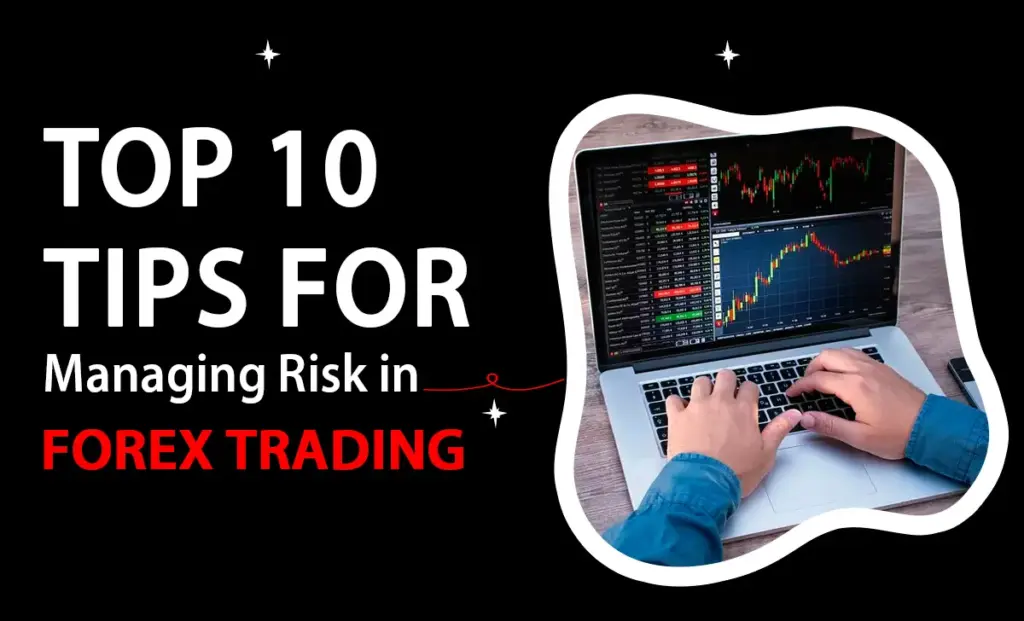
Top 10 Tips for Managing Risk in Forex Trading

Top 10 Tips for Managing Risk in Forex Trading

In the exciting world of of Forex trading, managing risk is the cornerstone of a sustainable and profitable journey. As the market’s volatility dances to the global economic rhythm, traders, especially those engaging with an ECN Forex Broker like Xtreamforex, must strategize to safeguard their investments.

Here are the top 10 tips to manage risk in Forex trading:

1. Understand the Forex Products

Before diving into the tumultuous Forex waters, grasp the nature of Forex products. Different instruments have varied risk profiles and liquidity. Tools like major currency pairs might offer stability, while exotic pairs could present a wilder ride. Knowledge is power, and understanding what you’re trading is the first step in risk management.

2. Choose the Right Broker

Partnering with a reputable ECN Forex Broker, such as Xtreamforex, can significantly reduce transactional risks. These brokers provide direct access to other participants in the currency markets, offering lower spreads and more transparency. Ensure your broker is regulated and offers the tools and support you need to navigate the markets.

3. Employ Leverage Cautiously

Leverage is a double-edged sword. While it can magnify gains, losses can be equally amplified. Understand the leverage offered by your broker and use it judiciously. Never invest money you can’t afford to lose, and consider using lower leverage ratios to protect your capital.

4. Implement Stop-Loss Orders

A stop-loss order automatically closes your position at a predetermined price, effectively limiting your loss on a trade. Significantly, this tool is vital in a market known for its swift movements. Therefore, it’s wise to regularly revisit and adjust your stop-loss orders to align with market changes and your risk tolerance.

5. Diversify Your Portfolio

Don’t put all your eggs in one currency pair basket. Diversifying your investment across different Forex products can spread risk and increase the potential for returns. However, diversification should be strategic and not dilute your focus.

6. Keep Abreast of Market News

Forex markets are incredibly sensitive to economic, political, and even social news. Therefore, maintaining awareness of global events and economic indicators that can impact the markets is essential. In doing so, you’ll be better prepared to anticipate market movements and make informed decisions.

7. Manage Your Emotions

Emotional trading often leads to impulsive decisions and increased risk. Develop a trading plan and stick to it, resisting the urge to overtrade or deviate from your strategy during volatile times. Discipline is key in Forex trading.

8. Regularly Review and Learn

Reflect on your trades to understand what worked and what didn’t. Continuous learning from both successes and failures will refine your strategy and enhance your trading skills. Consider maintaining a trading journal to track your progress and thought process.

9. Use Risk-Reward Ratios

Before entering a trade, understand the potential upside and downside. A favorable risk-reward ratio, such as 1:3, ensures that potential gains are worth the risk. This ratio helps in maintaining a profitable trading strategy over time.

10. Seek Professional Advice

If you’re uncertain about your trading decisions or looking to refine your strategies, then certainly don’t hesitate to seek advice from market experts. Additionally, consider the educational resources provided by brokers like Xtreamforex. Consequently, a second opinion can provide new insights and crucially help you see things from a different perspective.

By integrating these top 10 tips into your Forex trading approach, you position yourself as a prudent and informed trader. Remember, risk management is not about eliminating risk but understanding and mitigating it to navigate the Forex market’s turbulent waters with confidence and proficiency. Happy trading!
What is Cryptocurrency and How Does it Work?

What is Cryptocurrency and How Does it Work?

Cryptocurrency has emerged as a groundbreaking force in the realm of finance, offering a digital alternative to traditional fiat currencies. It leverages cryptography to secure transactions and control the creation of new units, operating on a decentralized system that is powered by blockchain technology—a transparent and immutable ledger.

The Blockchain: Heart of the Cryptocurrency

The core of cryptocurrency’s functionality is the blockchain. This technology is a chain of information registration and distribution that is not controlled by any single institution. Instead, it is a distributed network of computers (nodes) that work together to maintain a shared database in a decentralized way, which records all transactions that have ever taken place in the network. The innovation of the blockchain ensures that each transaction is an immutable part of the history of the blockchain, preventing fraud and unauthorized intervention.

Cryptocurrency in Action: Beyond Traditional Banking

Cryptocurrencies facilitate transactions without the need for central banking authorities or traditional middlemen. This enables the use of cryptocurrencies for anonymous purchases, international transactions without worrying about exchange rates or fees, and by businesses to circumvent credit card fees. People can use these digital assets to buy goods and services, and many also invest in them, speculating on the changes in their market values.

Trading Cryptocurrency with an ECN Broker

For those interested in trading, selecting the right platform is crucial. A reputable ECN Forex broker like Xtreamforex can dramatically enhance the trading experience. ECN brokers provide direct access to currency markets. They offering lower spreads and faster execution speeds, which are particularly beneficial in the volatile world of cryptocurrency trading.

Xtreamforex: Your Gateway to Cryptocurrency Trading

Xtreamforex notably stands out as a premier ECN Forex broker, catering to a diverse array of financial markets, including cryptocurrencies. Furthermore, they offer sophisticated technological tools that specifically accommodate the swift nature of crypto trading. Consequently, this enables traders to execute transactions both efficiently and at favorable rates.

Getting Started with Cryptocurrency: Purchase and Storage

For beginners, acquiring cryptocurrencies is increasingly straightforward. Through exchanges and brokerage platforms like Xtreamforex, individuals can convert traditional money into cryptocurrencies such as Bitcoin, Ethereum, and many others.
After purchasing, you store these digital currencies in digital wallets—secure online applications that manage your cryptocurrency holdings.

The Bottom Line: Cryptocurrency’s Role in Modern Finance

Cryptocurrency is more than just an asset; it represents a shift towards a more decentralized and efficient financial system. With the advent of platforms like Xtreamforex, engaging with cryptocurrencies is accessible to anyone with internet access. Whether utilized for transactions, investments, or speculative trading, cryptocurrencies are reshaping the financial sector, challenging traditional models, and offering a new level of freedom in personal finance.

CPI and Forex: How CPI Data Affects Currency Prices

CPI and Forex: How CPI Data Affects Currency Prices

In the ever-dynamic world of the forex market, a multitude of factors influences currency prices. Among these, the Consumer Price Index (CPI) stands out as a significant economic indicator. Understanding its impact is crucial for investors, particularly those involved with platforms like Xtreamforex, which provide a gateway to forex trading.

Understanding CPI

The Consumer Price Index is a measure that examines the weighted average of prices of a basket of consumer goods and services, such as transportation, food, and medical care. It’s used as an indicator of inflation in an economy. When CPI rises, it indicates an increase in inflationary pressures within an economy. Conversely, a fall in CPI suggests a decrease in inflation.

CPI’s Impact on Currency Prices

Currency prices in the forex market are highly sensitive to changes in CPI data. The reason is simple: CPI serves as a key gauge of economic health. A higher-than-expected CPI suggests that inflation is on the rise, which often leads central banks to increase interest rates to curb this inflation. Higher interest rates can make a currency more attractive to foreign investors seeking better returns on their investments, thus driving up its value.

Scenario Analysis

  1. Rising CPI: If the U.S. reports a higher CPI, this often leads to a stronger U.S. dollar, as investors anticipate higher interest rates. 
  2. Falling CPI: Conversely, a lower CPI can signal lower inflation and potentially lower interest rates. This scenario may lead to a weakening of the currency, as it becomes less attractive to foreign investors.

Market Volatility

The release of CPI data often results in increased volatility in the forex market. Traders on platforms like Xtreamforex need to be aware of when such data releases are scheduled. This is because they can present both risks and opportunities. Sharp movements in currency prices can occur if the actual CPI data significantly deviates from expectations.

Strategies for Forex Traders

Forex traders, especially on platforms like Xtreamforex, must develop strategies to handle the volatility induced by CPI data releases. Some of these strategies include:

  1. News Trading: This involves taking positions just before the release of CPI data, anticipating market movements.
  2. Swing Trading: Traders can use CPI data to understand long-term trends in currency prices and make trades based on these trends.
  3. Risk Management: Employing stop-loss orders and proper position sizing becomes crucial during periods of high volatility.

Conclusion

CPI data is a critical economic indicator that forex traders must monitor. Platforms like Xtreamforex provide tools and resources to help traders understand and capitalize on market movements resulting from CPI data releases. By comprehending how CPI influences currency prices, traders can make informed decisions, manage risks effectively, and potentially enhance their trading performance in the forex market.

Xtreme Markets, as a trading platform, offers an array of tools and analytical resources that can help traders decipher the impact of CPI data on currency prices. These tools enable traders to perform technical analysis, assess market sentiment, and make predictions based on economic indicators. By leveraging such resources, traders can develop a keen understanding of how CPI data correlates with currency fluctuations, enhancing their ability to make strategic trading decisions.

How and When to Buy or Sell in Forex Trading

How and When to Buy or Sell in Forex Trading

Forex trading, often referred to as foreign exchange trading, is the act of buying and selling currencies in the hope of making a profit from the changes in their value. As the largest financial market in the world, it attracts a variety of traders, from beginners to seasoned professionals. In this blog post, we’ll explore the crucial aspects of buying and selling in Forex trading, with a focus on strategies that can be applied using platforms like Xtreamforex.

Understanding the Forex Market

Before diving into the specifics of buying and selling, it’s important to understand the Forex market. This market operates 24 hours a day, five days a week, and is influenced by a range of factors, including economic indicators, political events, and market sentiment. Unlike stocks, which are traded on exchanges, Forex trading is conducted over-the-counter (OTC), meaning all transactions are done directly between parties.

When to Buy or Sell in Forex Trading

  1. Economic Indicators: Keep an eye on economic reports such as GDP, employment rates, and inflation. For instance, if the U.S. releases strong economic data, the USD is likely to strengthen, making it a good time to buy USD pairs.
  2. Political Events: Elections, policy changes, and geopolitical tensions can significantly impact currency values. For example, political stability typically strengthens a nation’s currency, while instability can lead to depreciation.
  3. Technical Analysis: Many traders use technical analysis, which involves studying historical price charts and using indicators like moving averages, RSI (Relative Strength Index), and Fibonacci retracements to predict future movements.
  4. Market Sentiment: Sometimes, the market moves based on traders’ perceptions and predictions, rather than actual events. Platforms like Xtreamforex often provide sentiment analysis tools to gauge market mood.

How to Buy or Sell

  1. Choose a Reliable Platform: Platforms like Xtreamforex offer user-friendly interfaces, real-time data, and various tools for analysis. Ensure the platform is trustworthy and suits your trading style.
  2. Set Your Trading Plan: Define your goals, risk tolerance, and strategies. Decide in advance how much you’re willing to risk and stick to it.
  3. Analyze the Market: Use both fundamental and technical analysis to make informed decisions. Don’t rely on guesswork or emotions.
  4. Use Leverage Carefully: Forex trading allows for significant leverage, but it also increases the potential for large losses. Manage your leverage wisely.
  5. Practice with a Demo Account: Before trading with real money, practice on a demo account. Platforms like Xtreamforex often provide these for beginners to get a feel for the market.

Conclusion

Forex trading requires a combination of careful analysis, strategic planning, and emotional control. By understanding the market, using the right tools, and developing a solid trading plan, you can make informed decisions on when to buy or sell. Remember, Forex trading involves significant risk, so it’s essential to trade responsibly and continually educate yourself.

As you embark on or continue your Forex trading journey, platforms like Xtreme Markets can be valuable allies, offering the tools and insights needed to navigate the complex world of currency trading. Remember, the key to success in Forex trading lies in consistent learning, disciplined trading, and the ability to adapt to the ever-changing market dynamics.

Forex Spreads Trading Strategies and Tips

Forex Spreads Trading Strategies and Tips

Navigating the forex market requires a solid grasp of various trading strategies, and understanding forex spreads is critical for any trader looking to make a profit. Forex spreads, the difference between the bid and ask price of a currency pair, is essential in calculating the cost of trades. In this blog, we’ll delve into strategies that can help you leverage forex spreads to your advantage as well as highlight the value of participating in a trading webinar for deeper insights.

What are Forex Spreads?

Forex spreads are the bread and butter of currency trading. They represent the cost a trader pays to open a position. There are two types of spreads: fixed and variable. Fixed spreads remain constant regardless of market conditions, while variable spreads fluctuate with market liquidity and volatility.

Strategies for Trading Forex Spreads

  1. Trade During Peak Hours: Trading when liquidity is high, such as during the overlap of the New York and London sessions, can lead to tighter spreads. High liquidity means lower trading costs and potentially higher profits.
  2. Choose the Right Currency Pairs: Major currency pairs like EUR/USD, GBP/USD, and USD/JPY typically have tighter spreads compared to exotic pairs. Trading major pairs might be a more cost-effective strategy for beginners.
  3. Keep an Eye on News Events: Economic announcements can cause spreads to widen dramatically. By monitoring the news and timing your trades accordingly, you can avoid the risk of wide spreads eating into your profits.
  4. Utilize Stop-Loss Orders: To safeguard against market volatility, use stop-loss orders to manage risk effectively. This is particularly important in fast-moving markets where spreads can widen quickly.

Tips for Optimizing Your Spread Trading

  1. Understand the Cost: Always account for the spread when calculating potential profits. The lower the spread, the sooner you can reach a breakeven point on a trade.
  2. Use Leverage Wisely: While leverage can magnify profits, it can also increase losses, especially if spreads widen unexpectedly. Manage leverage carefully to mitigate risk.
  3. Stay Informed: Keep up with market trends and geopolitical events that can influence currency volatility. Therefore, staying informed helps you make more educated trading decisions.
  4. Attend Trading Webinars: Webinars are an invaluable resource for learning from experts. Platforms such as Xtreamforex often host trading webinars where you can learn strategies directly from seasoned traders. These sessions can provide you with insights into how spreads can affect different trading strategies.

The Value of a Trading Webinar

A trading webinar can serve as a crucial educational tool, especially on topics like forex spreads. Xtreamforex, for example, offers webinars that cover a range of topics, including spread trading. These sessions provide the opportunity to ask real-time questions and learn strategies that you can apply to your trading.

In conclusion, a sound understanding of forex spreads can significantly improve your trading outcomes. By implementing the right strategies and continuously educating yourself through resources like trading webinars, you can navigate forex spreads more effectively. Remember, in the world of forex, knowledge is as valuable as currency. Whether you’re a novice or an experienced trader, platforms like Xtreamforex are there to support your journey towards becoming a proficient spread trader.

How to Improve Your Trading Results with Daily and Weekly Routines

How to Improve Your Trading Results with Daily and Weekly Routines

In the dynamic world of online Forex trading, success hinges not just on making informed decisions but also on structuring your trading activities efficiently. Whether you are a beginner or a seasoned trader, a well-organized daily and weekly routine can significantly enhance your trading outcomes. In this blog, we’ll explore how you can leverage such routines to optimize your trading accounts, with a specific focus on platforms like XtreamForex.

So, let’s get started!

Starting Your Day with a Market Overview

Every trading day should begin with a comprehensive market analysis. This includes reviewing major economic news, understanding geopolitical events, as well as identifying any significant market movements that occurred overnight. Platforms like XtreamForex often provide insights and analysis that can be crucial in shaping your daily trading strategy. 

Reviewing Your Trading Plan

A clear trading plan is your roadmap in the volatile Forex market. Daily, revisit your trading goals, risk management strategies, and the instruments you plan to trade. Ensure your plans are aligned with the current market environment. Additionally, if necessary, adjust your strategies to reflect any significant changes.

Monitoring Open Positions and Setting Alerts

If you have open positions, start your day by assessing their performance. Thus, use tools available in your trading accounts to set alerts for price movements, news announcements, or other market indicators that might impact your trades. This proactive approach keeps you ahead of potential market shifts.

Journaling Your Trades

Maintaining a trading journal is a vital part of a trader’s daily routine. Record your trades, including the reasons for entering and exiting, and any lessons learned. This habit not only helps in honing your strategies but also in maintaining discipline.

Weekly Market Analysis

While daily routines are crucial, a weekly analysis provides a broader perspective. Dedicate time each week to review market trends, economic calendars, and upcoming events that could influence the Forex market. XtreamForex and similar platforms often offer weekly insights that are invaluable for this exercise.

Evaluating Trading Performance

At the end of each week, evaluate your trading performance. Analyze your profitable trades as well as the losing ones. Understanding what worked and what didn’t is key to improving your strategies.

Continuous Learning

The Forex market is constantly evolving, and so should your knowledge. Utilize your weekly routine to learn something new. Whether it’s understanding a new trading tool, studying market patterns, or exploring advanced trading strategies, continuous learning is essential.

Preparing for the Week Ahead

Finally, use your weekend to prepare for the upcoming week. Set your goals, review your risk management strategies, and ensure your trading accounts are in order. A well-prepared trader is often a successful trader.

Incorporating these daily and weekly routines into your trading life can significantly enhance your efficiency and decision-making in online Forex trading. Platforms like XtreamForex provide the tools and resources to support these routines, but ultimately, discipline and consistency are what set successful traders apart. Remember, trading is not just about the decisions you make in the market; it’s also about how you structure your trading activities to create an environment conducive to success.